
How to Calculate Your Home Standby Generator Power Requirements
Living in Louisiana, we know that severe weather and seasonal fluctuations can lead to unexpected power outages. When the lights go out, ensuring your family stays comfortable and safe is a top priority. But if you have never purchased a backup power system before, the process can feel overwhelming. One of the most common questions we hear at Home Stand-By Solutions is how to figure out exactly what size unit is needed. Guessing simply is not an option—inaccurate project estimating can lead to spending more than necessary or, worse, installing a unit that fails to power your critical appliances when you need them most.
Whether you are looking to keep a few lights on or run your entire home seamlessly, understanding your power requirements is the first step toward peace of mind. Let's walk through the basics of determining whole house generator capacity requirements so you can make an informed decision for your property.
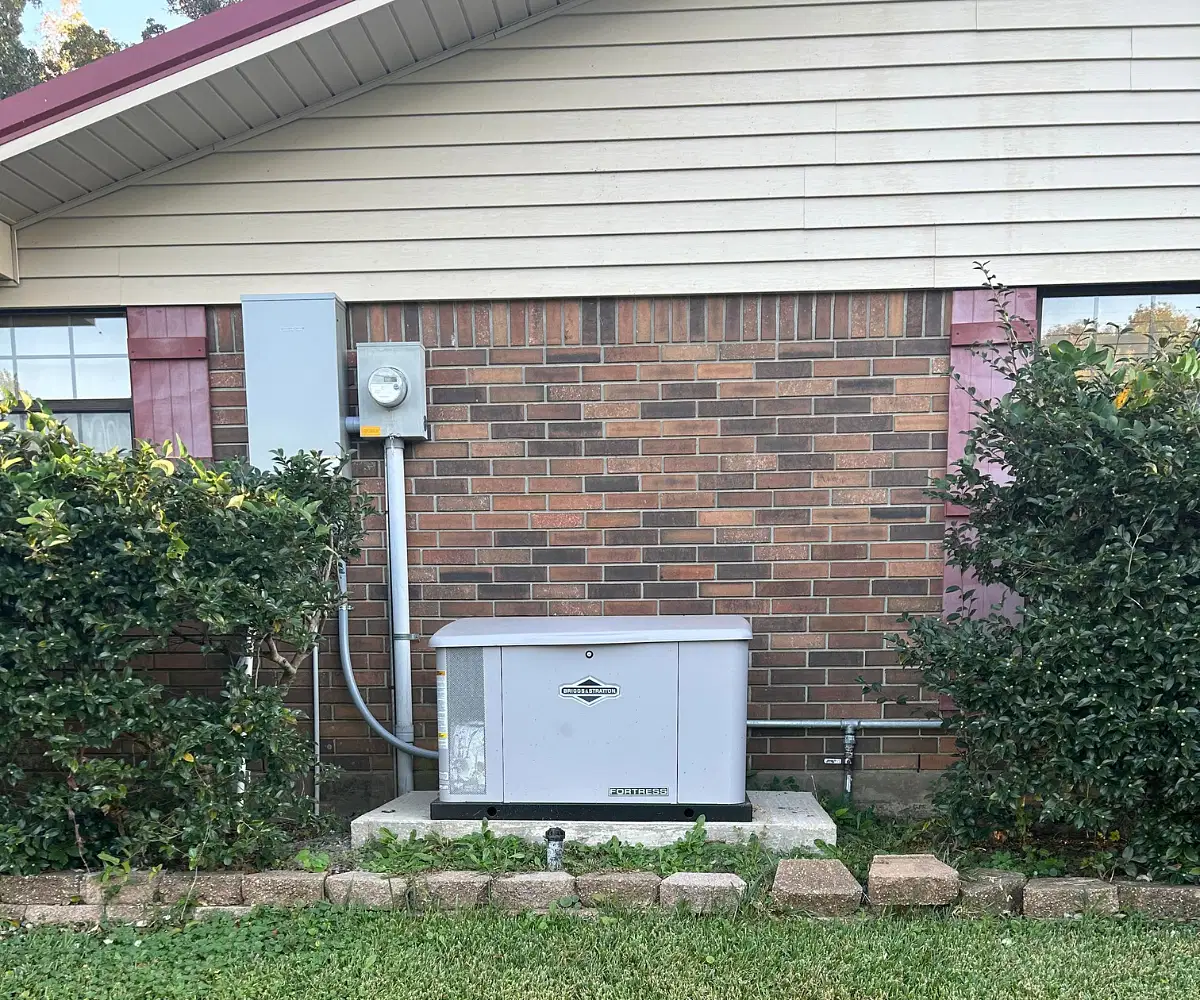
Essential Circuits Versus Whole House Generator Sizing
Before diving into the math, you need to decide what you actually want to power during an outage. This decision usually comes down to a choice between covering essential circuits versus whole house generator sizing.
An essential circuit setup focuses on the bare necessities. This typically includes your refrigerator, a few critical lighting circuits, medical equipment, and perhaps your well pump or a small window AC unit. Choosing this route allows you to work with a smaller, more affordable general contractor project budget while still keeping your household safe and highly functional.
On the other hand, whole house generator sizing is designed to replicate your everyday living experience. If you want your central air conditioning, electric oven, water heater, and every outlet in the house to work as if the grid never went down, you will need a larger system. Many homeowners in our Parish prefer this option to avoid any disruption to their daily lives, especially during the sweltering heat of summer storms.
We always prioritize transparent pricing and clear communication. By discussing your specific lifestyle needs, we help you weigh these options without the pressure of price-shoppers or low-bid competitors who might under-size a unit just to win the job.
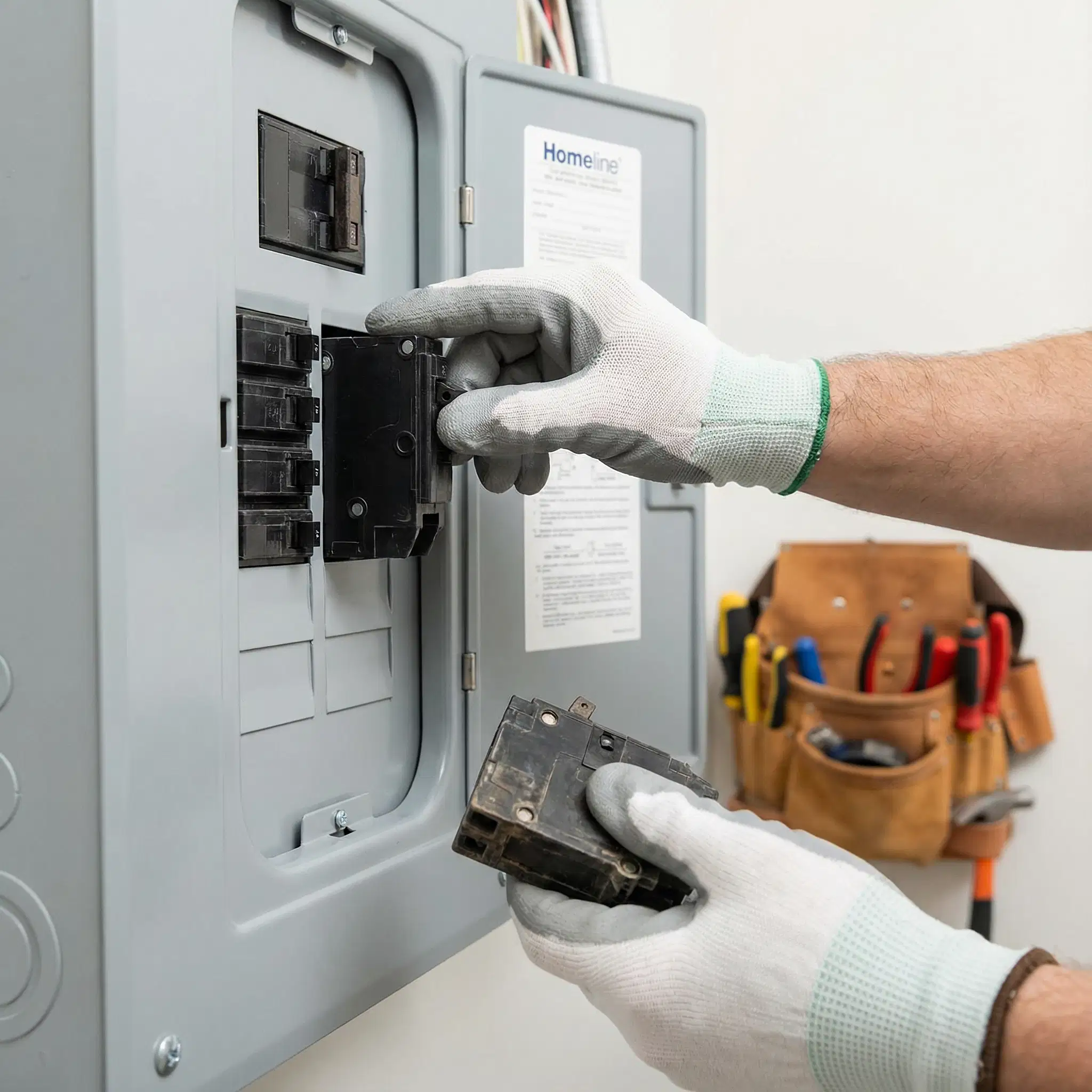
How to Calculate Home Generator Wattage Needs
Once you know what you want to power, the next step is calculating the actual electrical load. Learning how to calculate home generator wattage needs involves looking at two key numbers for every appliance in your home: running watts and starting watts.
Running watts, sometimes called rated watts, refer to the continuous power an appliance needs to operate normally. Starting watts, or surge watts, represent the temporary spike in power required to start a motor-driven appliance, like a central air conditioner or a refrigerator compressor. This surge can be two to three times higher than the running wattage, and your generator must be able to handle this brief peak load without tripping.
To get a rough estimate, list all the appliances you plan to run simultaneously. Find the running wattage for each—usually listed on the appliance's data plate—and add them together. Then, find the single highest starting wattage among those appliances and add it to your total. This final number gives you a baseline for your generator's required capacity.
Of course, modern homes have complex electrical systems. That is why our Generac Dealer services include comprehensive site evaluations. We utilize modern project management and electrical load calculation tools to give you an exact, transparent estimate. We want to give you a little lagniappe in the form of absolute confidence that your system is sized perfectly for your home.

Why You Need a Licensed General Contractor
A frequent question we get from consumers is how to verify a general contractor's license and insurance, and whether they need to pull permits for a generator installation. The short answer is: yes, permits are always required, and hiring a fully licensed, bonded, and insured professional is absolutely non-negotiable.
Installing a standby generator is not a simple DIY weekend project. It requires intricate knowledge of local building codes, strict safety compliance, and expertise in both electrical systems and gas plumbing. Attempting to navigate this without a trusted residential general contractor can lead to permitting delays, costly fines, or even dangerous electrical hazards.
When you hire Home Stand-By Solutions, you are partnering with local experts who handle the complex regulatory and legal compliance for you. We pull the necessary permits, coordinate directly with utility companies, and ensure that our crew maintains the highest level of professionalism and safety on-site. Our comprehensive residential electrical services guarantee that your home's wiring and electrical panel are properly and safely integrated with your new backup power system.
Ready to Secure Your Home's Power?
Choosing the right standby generator is a significant investment in your home's safety and comfort. By understanding your power needs and partnering with a reputable, local expert, you can avoid the common pitfalls of inaccurate estimating and ensure your home is ready for whatever weather comes our way in Bayou Country.
We pride ourselves on providing high-quality workmanship, transparent pricing, and reliable communication from your very first phone call to the moment we hand over the keys to your new system and show you exactly how to use it.
Do not wait until the next major storm is on the horizon. Geaux ahead and take the first step toward uninterrupted power today. Reach out to the team at Home Stand-By Solutions via our contact us page to schedule your professional consultation and site evaluation. We look forward to keeping your lights on and your family safe.